

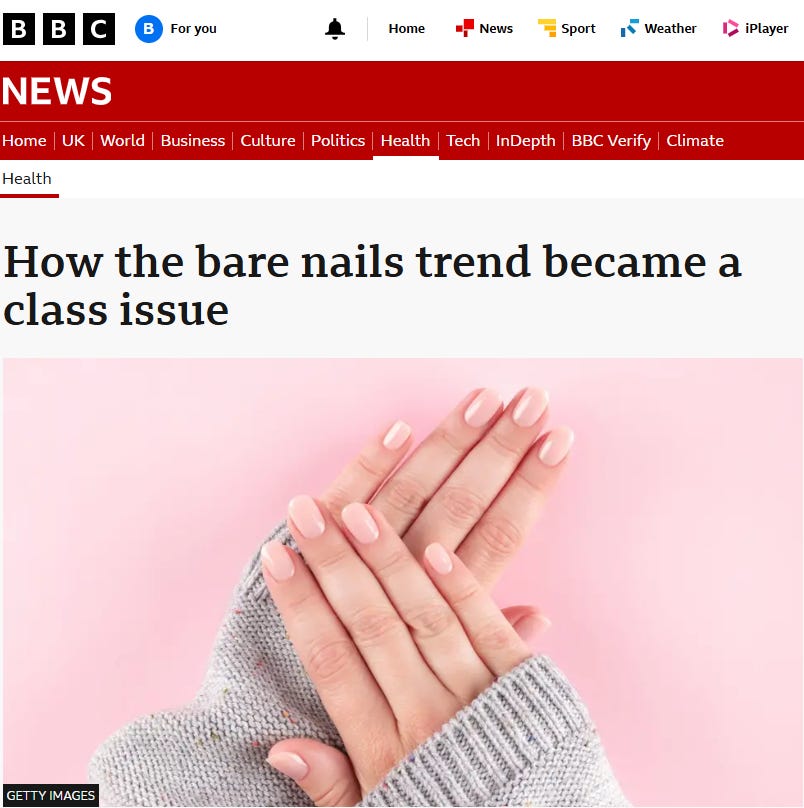
Ladies (and I suppose some men), be aware: choosing not to paint your nails is now considered a sign of white supremacy. Who knew!
According to a BBC article, the beauty journalist argues that the decision to not paint one’s nail is deeply problematic. To quote her, “the trend really promotes blankness and this kind of sameness and erasure of culture and identity that is so important to black and brown communities. They are often called elegant or tasteful, and these are often usually euphemisms that perpetuate white supremacist standards of beauty.”
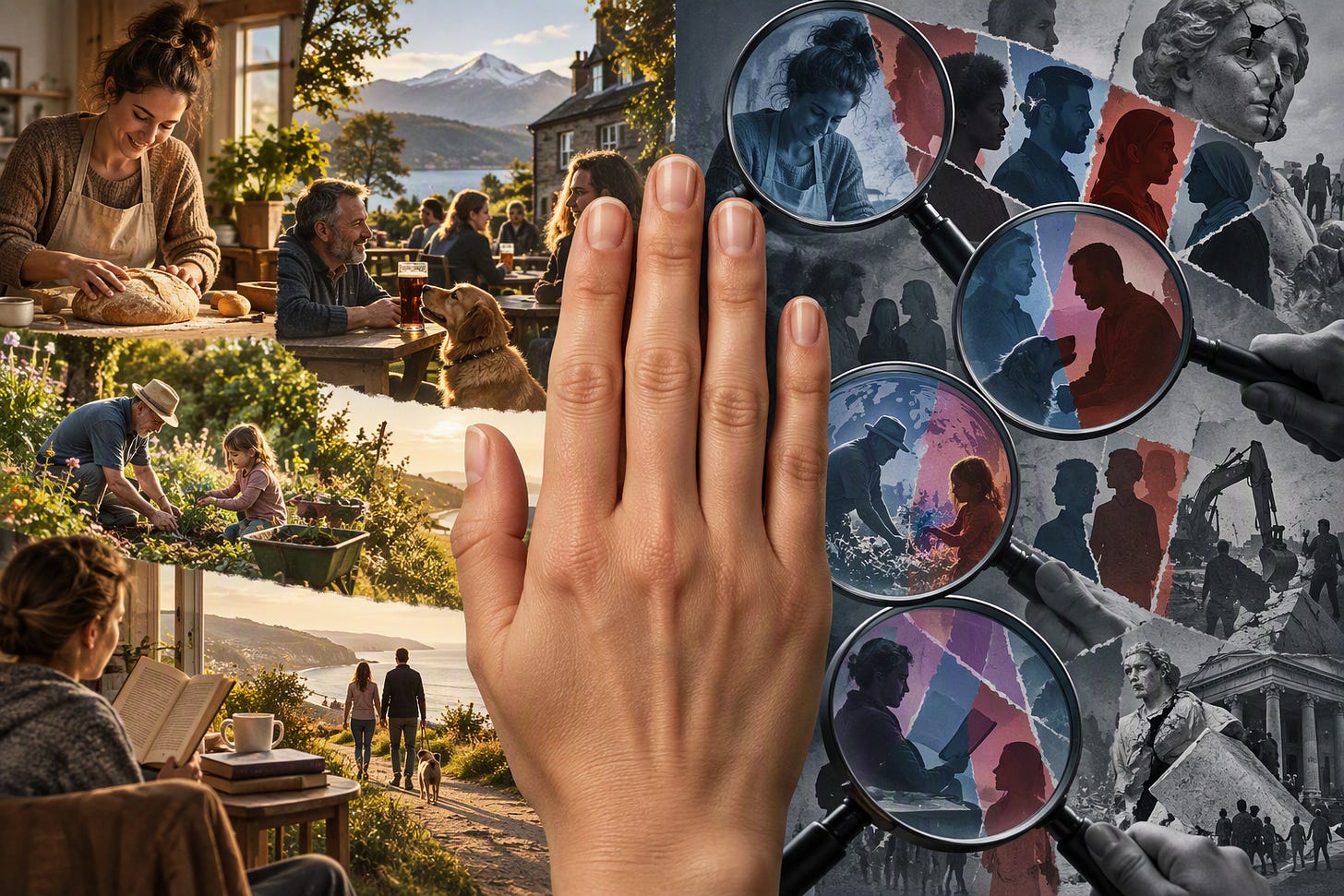
Many readers will recall New Zealand’s Disinformation Project lead, Kate Hannah, suggesting that braiding children’s hair or baking bread were also signs of white supremacy. Painting – or rather not painting – one’s fingernails is quite the addition.
As I write, and returning to the United Kingdom, we have a Labour MP there saying that enjoying a warm pint in a pub with your dog is a far right concept.
It is all of course madness, and yet a madness which has captured many in the political and mainstream media world, as well as the academy.
The BBC journalist’s basic argument is the usual crude use of intersectionality. She ascribes painting of nails to Black, Asian, and Latino communities. By her logic, choosing not to paint one’s nails becomes an affront to those communities and tradition, and therefore an act of white supremacy.
Historical accuracy aside, the weakness of this argument becomes apparent when you consider what many of these activists would say if you did paint your nails - they would accuse you of cultural appropriation!
The debate over painted nails may seem trivial. Yet it points to a much broader trend; a growing tendency to interpret everyday life through the lens of power, oppression, and cultural conflict.
But what drives this way of thinking? It all boils down to a disdain of one’s own culture, of the West, and what one could broadly call European culture. What some are now referring to as oikophobia – the hatred of one’s own ‘home’ or culture.
Such proponents also seek to turn everything into some sort of fight between competing factions. It is what is often called the Marxist dialectic, a view of the world divided into opposing forces – employee versus employer; men vs. women; old vs. young; Māori vs. Pakeha; and now nail painters vs. no painters.
Living things humanly doesn’t mean every choice needs
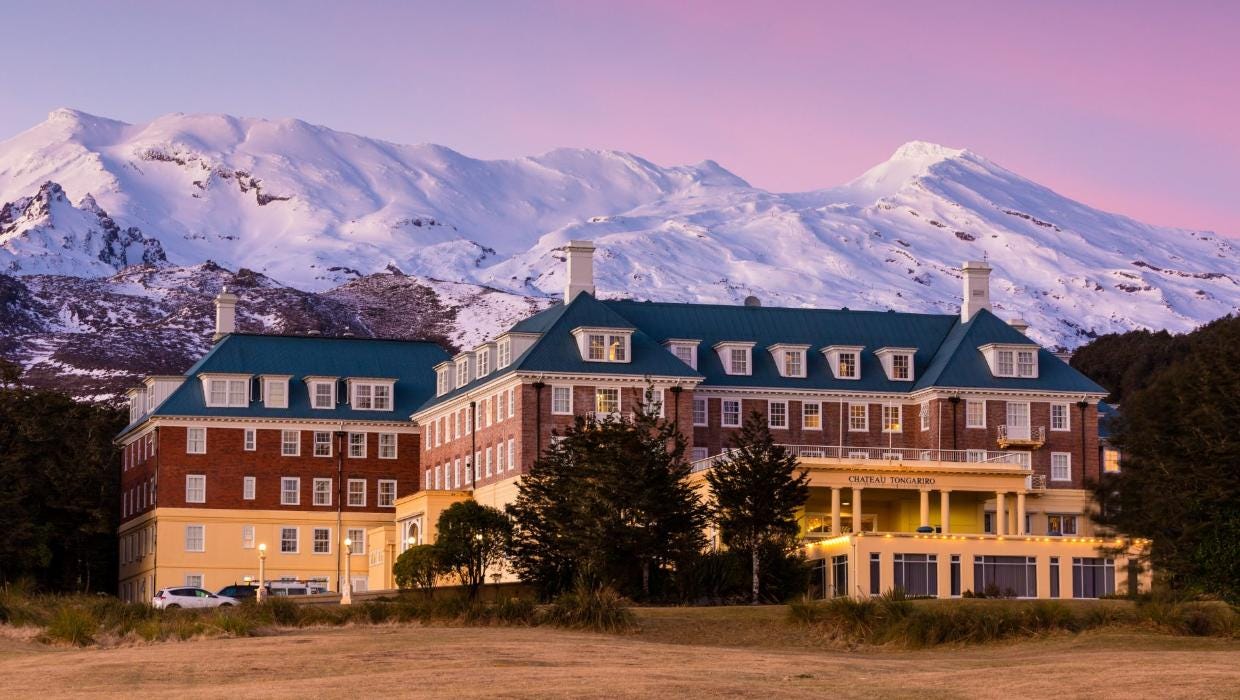
Decolonisation is a misguided belief that there is some romantic utopia that people can return to if only ‘the colonial’ can be replaced. Like the earlier examples, it is all based around division and oppositions. Replace English words with Māori words, cut down non-native trees, remove statues of historical figures, replace science with belief, and bulldoze the Chateau while you are at it.
The latter is a rather striking example of activism over pragmatism. Officials have reported that if the Chateau can be given a new lease of life, it will economically benefit the area. And yet, if reports are correct, local iwi want it gone and a new cultural centre built. Last time I checked, there is no shortage of land in National Park, so why the Chateau needs to be destroyed for any new cultural centre is a mystery. Also, why local iwi haven’t just built and paid for one themselves already is worth asking.
Ultimately, oikophobia and decolonisation are an iconoclasm. A destruction of the things within our wider cultures which give colour, meaning, purpose, and joy.
Yes, critics can rightly point back to the way various European and other colonisers acted across the globe and here in New Zealand, overriding indigenous cultures. And yet, have we not learned from this? What we observe today is just a new form of colonialism in action, but operating in reverse.
Simon O'Connor a former National MP graduated from the University of Auckland with a Bachelor of Arts in Geography and Political Studies . Simon blogs at On Point - where this article was sourced.
As I write, and returning to the United Kingdom, we have a Labour MP there saying that enjoying a warm pint in a pub with your dog is a far right concept.
It is all of course madness, and yet a madness which has captured many in the political and mainstream media world, as well as the academy.
The BBC journalist’s basic argument is the usual crude use of intersectionality. She ascribes painting of nails to Black, Asian, and Latino communities. By her logic, choosing not to paint one’s nails becomes an affront to those communities and tradition, and therefore an act of white supremacy.
Historical accuracy aside, the weakness of this argument becomes apparent when you consider what many of these activists would say if you did paint your nails - they would accuse you of cultural appropriation!
The debate over painted nails may seem trivial. Yet it points to a much broader trend; a growing tendency to interpret everyday life through the lens of power, oppression, and cultural conflict.
But what drives this way of thinking? It all boils down to a disdain of one’s own culture, of the West, and what one could broadly call European culture. What some are now referring to as oikophobia – the hatred of one’s own ‘home’ or culture.
Such proponents also seek to turn everything into some sort of fight between competing factions. It is what is often called the Marxist dialectic, a view of the world divided into opposing forces – employee versus employer; men vs. women; old vs. young; Māori vs. Pakeha; and now nail painters vs. no painters.
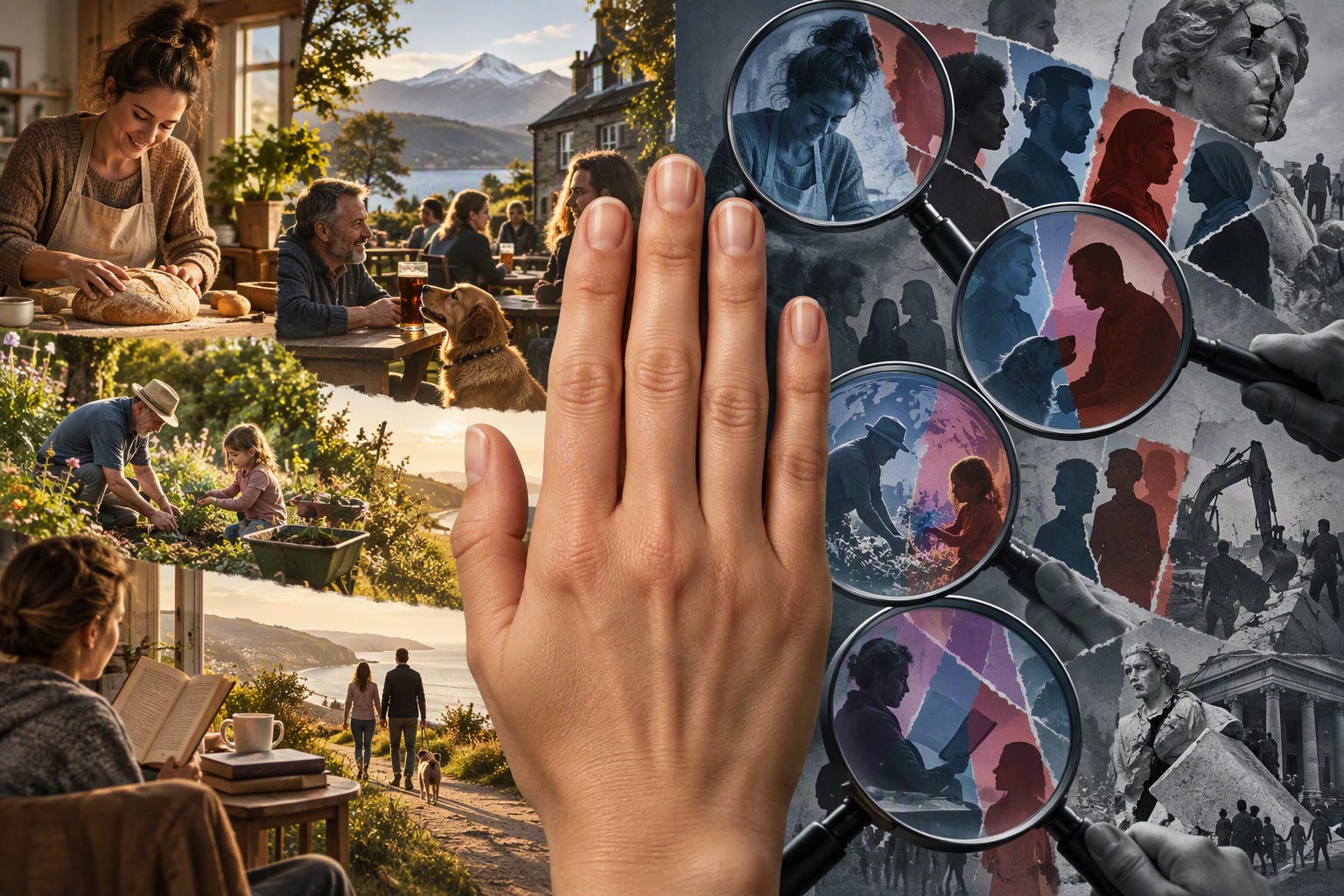
Living things humanly doesn’t mean every choice needs
to be put under some political microscope
These activists also remove the humanity and simple joy of living from the equation. Not everything is a struggle, nor does every action come with a hidden agenda. Some people simply enjoy painting their nails. Others enjoy a pint at the pub. Others still think baking bread relaxing. Not every human activity requires a political interpretation.
A further illustration of the madness is that the standards applied are never applied consistently. Cultural appropriation, for example, only ever seems to go one way. Obsessive critique is often made of Christian teaching being out of touch with modern New Zealand life, and yet rarely is the same measure applied to other religions and cultures. Or ask yourself, why did gay activists not continue their crusade for equality into the likes of the Muslim Middle East, rather than turning on women’s rights movements in the West by pursuing trans inclusion?
We have weekly protests focused on Israel and the Jewish people, who weirdly the protestors characterise as white and privileged. Yet, there is often far less attention paid to conflicts in places such as Sudan, Myanmar, Nigeria, or the conflict in Ethiopia’s Tigray region where an estimated 160,00-600,000 civilians have been killed.
Apparently, the idea of genocide is highly selective. But these just illustrate the point – the high standards applied to one’s own culture are not applied to others. If something can be said or done to diminish Western culture, it will be embraced. If a failing from another culture or religion is evident, it is to be ignored.
Somewhat related are recent reports that local iwi around National Park want the old Chateau demolished. What links the two is the concept of decolonisation which is in play here. The undoubtable reason to want this piece of heritage removed is because it’s European.
These activists also remove the humanity and simple joy of living from the equation. Not everything is a struggle, nor does every action come with a hidden agenda. Some people simply enjoy painting their nails. Others enjoy a pint at the pub. Others still think baking bread relaxing. Not every human activity requires a political interpretation.
A further illustration of the madness is that the standards applied are never applied consistently. Cultural appropriation, for example, only ever seems to go one way. Obsessive critique is often made of Christian teaching being out of touch with modern New Zealand life, and yet rarely is the same measure applied to other religions and cultures. Or ask yourself, why did gay activists not continue their crusade for equality into the likes of the Muslim Middle East, rather than turning on women’s rights movements in the West by pursuing trans inclusion?
We have weekly protests focused on Israel and the Jewish people, who weirdly the protestors characterise as white and privileged. Yet, there is often far less attention paid to conflicts in places such as Sudan, Myanmar, Nigeria, or the conflict in Ethiopia’s Tigray region where an estimated 160,00-600,000 civilians have been killed.
Apparently, the idea of genocide is highly selective. But these just illustrate the point – the high standards applied to one’s own culture are not applied to others. If something can be said or done to diminish Western culture, it will be embraced. If a failing from another culture or religion is evident, it is to be ignored.
Somewhat related are recent reports that local iwi around National Park want the old Chateau demolished. What links the two is the concept of decolonisation which is in play here. The undoubtable reason to want this piece of heritage removed is because it’s European.
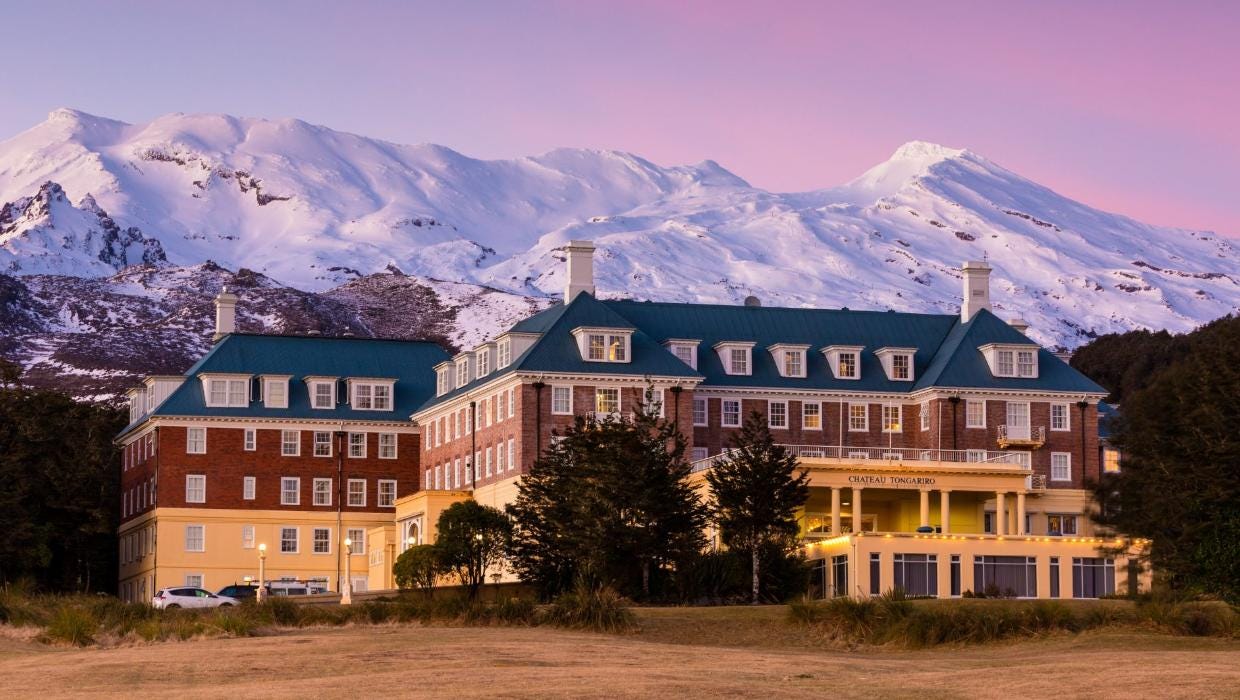
Decolonisation is a misguided belief that there is some romantic utopia that people can return to if only ‘the colonial’ can be replaced. Like the earlier examples, it is all based around division and oppositions. Replace English words with Māori words, cut down non-native trees, remove statues of historical figures, replace science with belief, and bulldoze the Chateau while you are at it.
The latter is a rather striking example of activism over pragmatism. Officials have reported that if the Chateau can be given a new lease of life, it will economically benefit the area. And yet, if reports are correct, local iwi want it gone and a new cultural centre built. Last time I checked, there is no shortage of land in National Park, so why the Chateau needs to be destroyed for any new cultural centre is a mystery. Also, why local iwi haven’t just built and paid for one themselves already is worth asking.
Ultimately, oikophobia and decolonisation are an iconoclasm. A destruction of the things within our wider cultures which give colour, meaning, purpose, and joy.
Yes, critics can rightly point back to the way various European and other colonisers acted across the globe and here in New Zealand, overriding indigenous cultures. And yet, have we not learned from this? What we observe today is just a new form of colonialism in action, but operating in reverse.
Simon O'Connor a former National MP graduated from the University of Auckland with a Bachelor of Arts in Geography and Political Studies . Simon blogs at On Point - where this article was sourced.
5 comments:
This essay should be compulsory reading for all Senior( 5th form and above) secondary students in NZ.
I realise however, in 'Aotearoa'( pfffft) the chance of this happening is as likely as seeing a mob of pink pigs flying past my kitchen window!
Yes, critics can rightly point back to the way various European and other colonisers acted across the globe.
Or, in terms of the Chateau, it could be just a ruse to ultimately secure it being 'gifted', together with a big pot of taxpayer dosh to assist in putting it right.
>"... critics can rightly point back to the way various European and other colonisers acted"
"Other colonisers" includes the Aztec Empire, Inca Empire, Ashanti Empire, Zulu Empire, Mongol Empire.......... gosh, why the silence all of a sudden?
Post a Comment
Thank you for joining the discussion. Breaking Views welcomes respectful contributions that enrich the debate. Please ensure your comments are not defamatory, derogatory or disruptive. We appreciate your cooperation.