

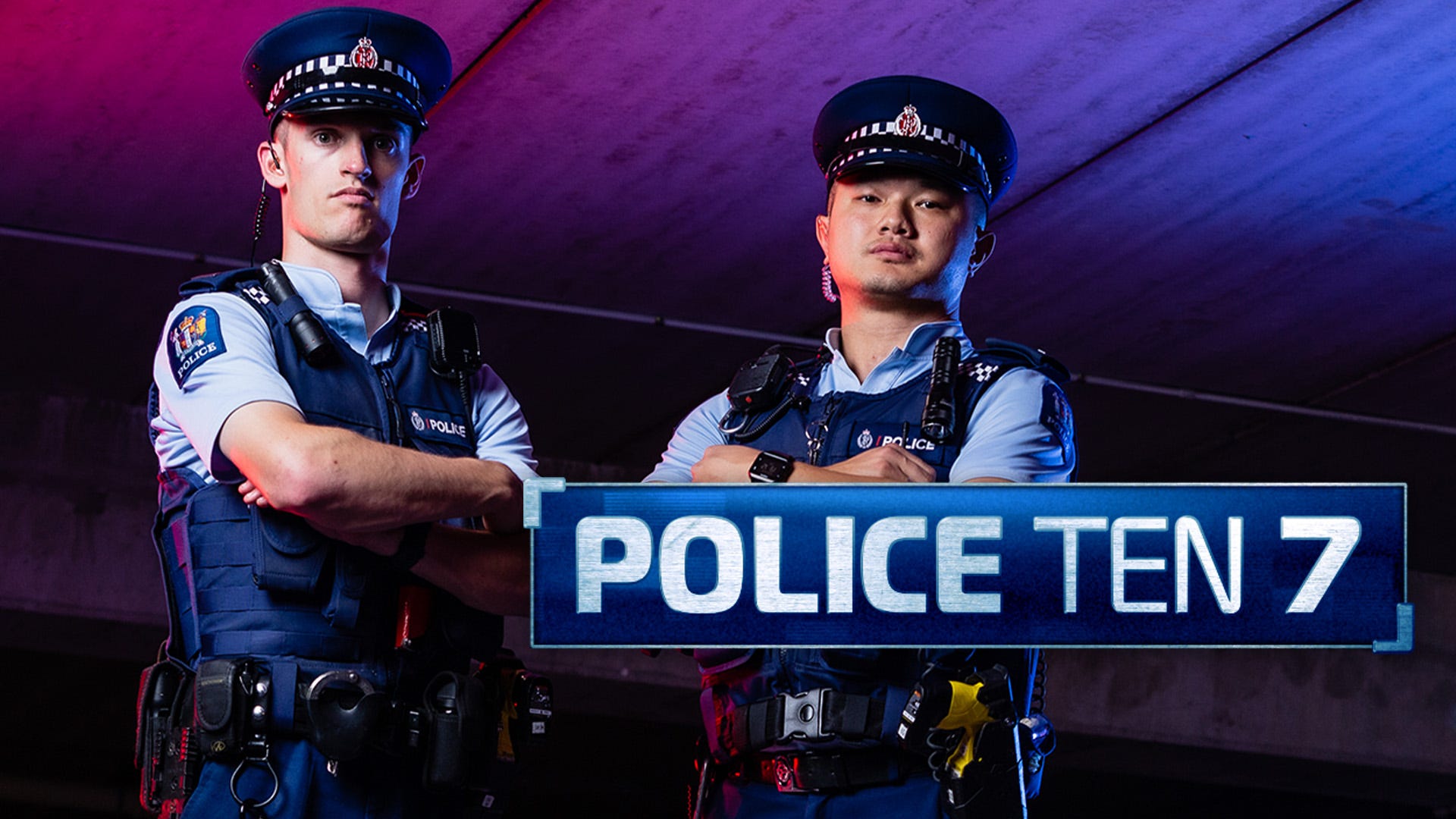
What puzzles me is that in New Zealand, the fact remains that Māori commit crime at significantly higher rates than any other group. Pointing this out is not racist - it is stating a statistical reality. Sources like The Facts show just how disproportionate offending is among Māori and Pasifika communities. Here are some alarming graphs.
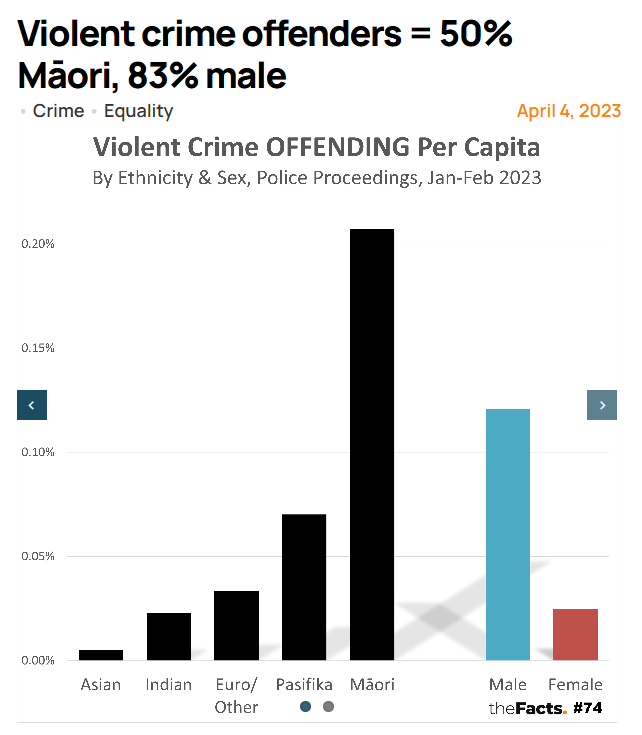
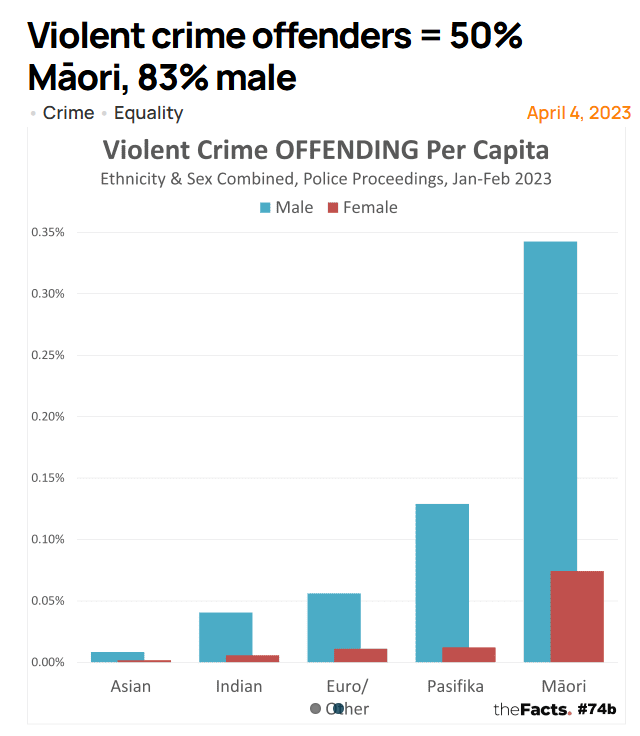
Click both graphs to view
What sparked me to write this piece was a simple observation. I saw a picture of a wanted Māori man shared on a local community page. Curious, I checked the police’s Facebook page for recent wanted individuals. From April until now, the pattern was undeniable. Almost all the offenders were Māori or Polynesian. There were a few white offenders, but they were few and far between. Here’s the mugshots to see for yourself.

Click to view
Looking at the mugshots shown above, the pattern is impossible to ignore. The vast majority of offenders are Māori or Pacific Islanders. There are a handful of white offenders, but they are the exception, not the rule. This is not about bias or stereotyping, it is simply what the statistics and police records show.
If critics thought Police Ten 7 was racist, surely they would also consider the New Zealand Police’s own wanted Facebook page racist. After all, it shows a strikingly disproportionate number of Māori offenders, with their mugshots plastered for the public to see. This isn’t editorialising or targeting, it’s simply reflecting the reality of who commits crime in New Zealand.
So why is reporting the truth suddenly considered racist? A long-running TV show, consistently among the highest-rated in the country, was pulled because a handful of people believed it promoted bias. Reporting crime, and showing who commits it, does not equate to discrimination. What should be asked, and debated, is why offending is so concentrated within certain communities.
Police Ten 7 was not just entertaining; it was informative, highlighting the realities of crime in New Zealand. It was a show the whole family could watch and learn from. Instead of silencing it, we should be using such programs to spark honest, constructive conversations about crime and how to reduce it.
Bring back Police Ten 7. It was great television, and New Zealand deserves to see the truth, not just the version some people feel comfortable with.
Matua Kahurangi is just a bloke sharing thoughts on New Zealand and the world beyond. No fluff, just honest takes. He blogs on https://matuakahurangi.com/ where this article was sourced.


6 comments:
And I don’t doubt the programme was instrumental in bringing offenders to justice.
Who even watches TV any more it is a relic only watched by relics hahaha
Police 7 provided a very useful service. NZers have been brainwashed to consider maori as benign, and very many have been conned by the dangerous deceipt.. The programme familiarised ordinary folk with reality and prompted them to avoid compromising situations.
Not sure if you’re quite up to date on the current worldview Matua, but evidence of any Maori on the wanted page is in itself evidence of racial bias and therefore the police should be abolished; or simply stop arresting the swarthier-hued amongst the criminal class to rectify this injustice.
The problem is never the problem, the problem is the most insane reaction you can think of.
Hope this helps.
Maori criminality is an important component of the attack on the culture of this country. However, it can’t be allowed to be specifically noticed as such. There might then be some effort made to eliminate it.
This absence of response from the Race Relations Commissioner Meng Foon and key media figures underscores the selective application of scrutiny in public discourse. It raises questions about the consistency and impartiality of media and institutional reactions to racially charged statements, depending on the source.
When Shane Jones muttered about “too many Indian students,” Meng Foon was on the air before breakfast, calling his remarks “racist, ignorant and harmful.” When Police Ten 7 dared to show too many brown faces, the same office accused the cops of racism, then apologised under pressure. In every one of those cases the watchdog barked hard, fast and loud.
Now? Loose cannon Maori party mp Takuta Ferris openly tells “Indians, Asians, Black and Pākehā” to stay out of a Māori seat — and the Race Relations Commissioner has vanished.
No statement. No condemnation. Pregnant silence. The watchdog who leapt at Shane Jones suddenly can’t find his voice when the racism runs the other way.
And our so-called “public interest” stars — John Campbell, Jack Tame, Sam Hayes, Maiki Sherman — the ones who’ve spent years doing mournful explainers about systemic bias and colonial wrongs — also vanished. If Ferris had been a National MP they’d be running a three-night special. Instead? Not even a tweet.
This is not about defending Ferris. It’s about calling out an entire class of goons and hacks who’ve built careers preaching equity, inclusion and diversity, yet apply their moral standards with the consistency of a broken roulette wheel.
Public trust doesn’t die in one scandal; it erodes drip by drip, as people watch the arbiters of virtue selectively enforce their code. When Meng Foon branded Jones “racist” within hours, ordinary voters got the message: cross the line and you’ll be shamed. When Ferris crossed a far clearer line and the Commissioner said nothing, the same voters got a different message: the rules don’t apply if you’re in the approved tribe.
The media’s complicity matters just as much. Campbell, Tame, Hayes, Sherman — all perfectly capable of parachuting into a story when it flatters their moral framing — chose to look away. This is what happens when journalists confuse activism with reporting: they lose the habit of interrogating their own side. They become palace courtiers, not watchdogs.
To the person on the street this isn’t an abstract constitutional issue. It’s evidence that the “race relations” machinery isn’t neutral; it’s political. It confirms what people already suspect — that the whole edifice of “diversity and inclusion” is applied as a weapon, not a principle. One set of rules for some, another for others.
The net result? More cynicism. More resentment. Less belief in the possibility of a genuinely fair New Zealand. And each time the watchdog stays silent while a favoured actor breaks the code, it becomes harder to convince the public that the next loud condemnation isn’t just another bout of selective outrage.
If you’re waiting for the cavalry to ride in on Ferris, don’t bother — they’re busy polishing their halos.
Post a Comment
Thank you for joining the discussion. Breaking Views welcomes respectful contributions that enrich the debate. Please ensure your comments are not defamatory, derogatory or disruptive. We appreciate your cooperation.