

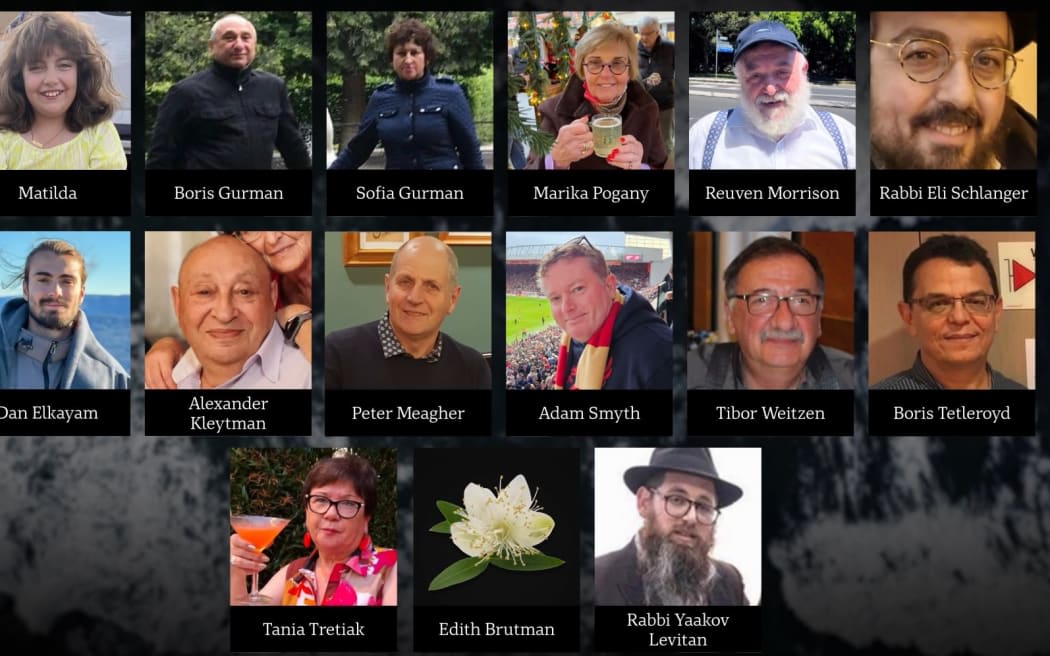
As we all know, father and son Sajid Akram and Naveed Akram targeted a Hanukkah event on Sydney’s Bondi Beach on December 14, killing 15 people and wounding dozens in what authorities have described as an anti-Semitic terrorist attack. I often bristle at the word accused in cases like this. Multiple cellphone videos captured the horror in real time. There is no ambiguity about intent. Jews were targeted. Fifteen people were murdered.
In the aftermath, Ahmed al Ahmed has been rightly praised. He tackled the older gunman and disarmed him. That takes extraordinary courage. No one should diminish that.
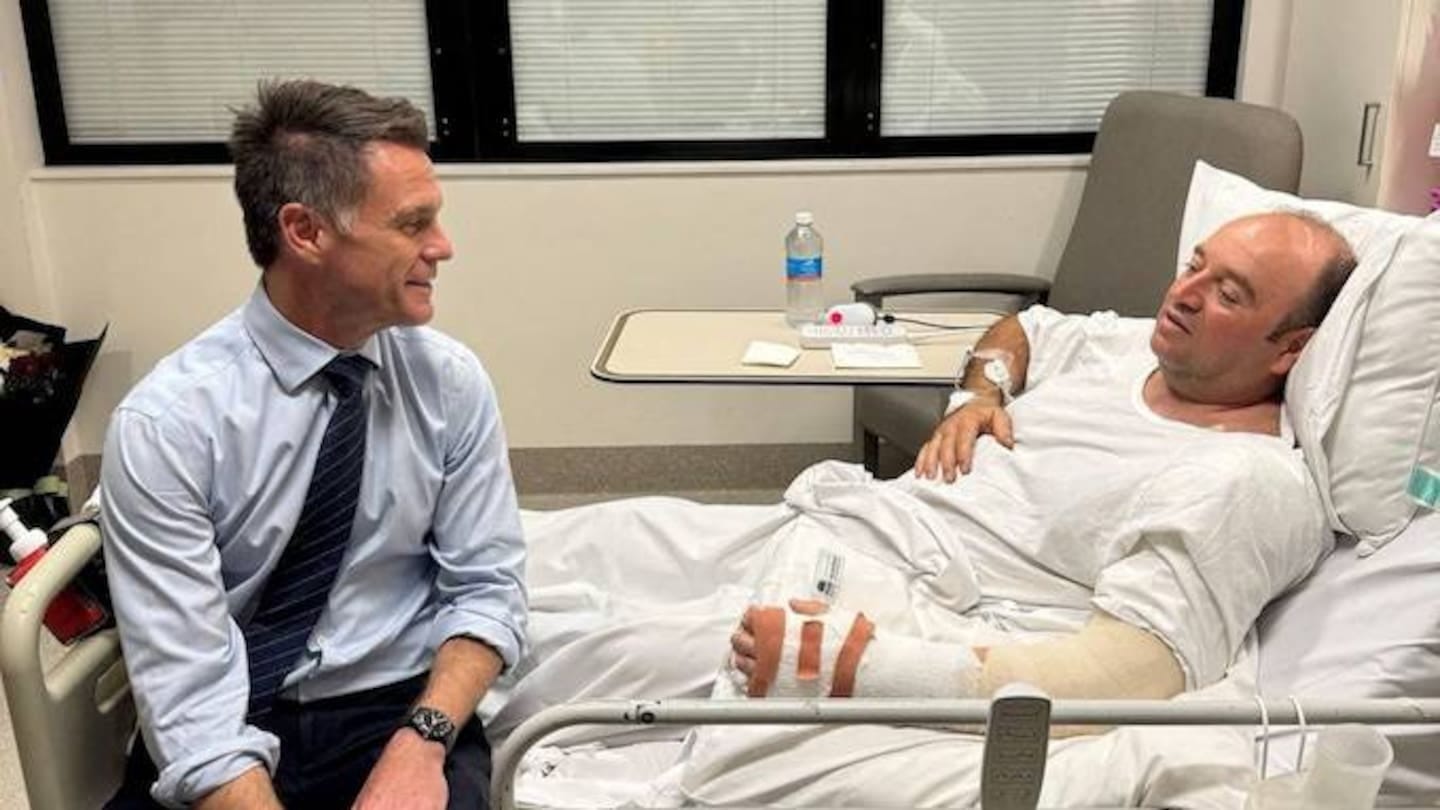
Ahmed al Ahmed
“My target was just to take the gun from him, and to stop him from killing a human being’s life and not killing innocent people,” he told CBS News this week.
Here is where my view will diverge from the safer, more sanitised narrative.
The two people who, in my opinion, deserve the deepest recognition are Boris Gurman, 69, and his wife Sofia Gurman, 61. They did not survive to give interviews. They do not get headline space. They were the first to confront the attackers when they exited their car, stepping in to protect strangers.
They paid with their lives.
Footage from the scene shows Boris Gurman wrestling with one of the gunmen, managing to take the weapon from him before both men fell onto the road. He then stood and struck the attacker with the gun. Moments later, the attacker is believed to have obtained another weapon and used it to kill both Boris and Sofia.
Click to view
In my view, those actions define heroism in its rawest form. No hesitation. No calculation. No media aftermath. Just instinctive courage and the ultimate sacrifice.
This is not an attack on Ahmed al Ahmed. What he did was brave and commendable. But it is impossible not to ask difficult questions about how we frame heroism and how events unfolded afterward. When a terrorist retreats and returns to continue killing, the moral weight of those seconds becomes unbearable to contemplate. These are not armchair hypotheticals, and they are not clean or comfortable to discuss. They are tragic realities.
I know what many readers will think next, and I understand it. People will say you never really know what you would do until you are standing there, heart racing, chaos unfolding in front of you. That is true. I am not writing this as someone imagining the moment from my office chair.
I have been in violent situations before. Not a terrorist attack, but moments where someone was actively harming another person and there was no time to wait for police, no perimeter, no backup and no safety net. In those moments, everything collapses at once. The rules, the noise, the crowd. Everything goes into slow motion. All that remains is a simple calculation. If you do nothing, someone else is going to be seriously hurt or killed.
Decisive action is not heroic in those moments. It is ugly, fast and confronting. You do not feel brave. You feel the weight of responsibility and the knowledge that hesitation can cost someone their life. I have used force before to stop an attack. Not because I wanted to, but because it was the only option left. Once the threat was neutralised, everything else followed. Shock, consequences, reflection.
That experience shapes how I see Bondi. It is why I struggle with the idea that stopping a violent attacker means only disarming them and hoping they stop. In a situation like that, hope is not a strategy. When someone has already demonstrated a willingness to kill innocent people, the priority is not restraint for restraint’s sake. It is preventing them from hurting anyone else, by whatever means are necessary in that moment.
Do not misunderstand me. Ahmed al Ahmed acted heroically. He disarmed a terrorist and risked his own life doing so. That matters.
I have been in violent situations before. Not a terrorist attack, but moments where someone was actively harming another person and there was no time to wait for police, no perimeter, no backup and no safety net. In those moments, everything collapses at once. The rules, the noise, the crowd. Everything goes into slow motion. All that remains is a simple calculation. If you do nothing, someone else is going to be seriously hurt or killed.
Decisive action is not heroic in those moments. It is ugly, fast and confronting. You do not feel brave. You feel the weight of responsibility and the knowledge that hesitation can cost someone their life. I have used force before to stop an attack. Not because I wanted to, but because it was the only option left. Once the threat was neutralised, everything else followed. Shock, consequences, reflection.
That experience shapes how I see Bondi. It is why I struggle with the idea that stopping a violent attacker means only disarming them and hoping they stop. In a situation like that, hope is not a strategy. When someone has already demonstrated a willingness to kill innocent people, the priority is not restraint for restraint’s sake. It is preventing them from hurting anyone else, by whatever means are necessary in that moment.
Do not misunderstand me. Ahmed al Ahmed acted heroically. He disarmed a terrorist and risked his own life doing so. That matters.
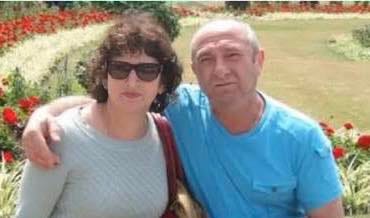
Boris and Sofia Gurman
However when I think of Bondi Beach that day, I think first of Boris and Sofia Gurman. They confronted evil head-on, without armour, without backup, and without reward. They do not get limelight because they cannot speak. They were shot dead.
Sometimes, the real heroes are the ones who never get the chance to tell their story.
My thoughts remain with the families and loved ones of the 15 innocent people who lost their lives in the Bondi tragedy. No article, argument or opinion matters more than the fact that real people were taken from their families that day, and that loss will never be undone.
Click to view
Matua Kahurangi is just a bloke sharing thoughts on New Zealand and the world beyond. No fluff, just honest takes. He blogs on https://matuakahurangi.com/ where this article was sourced.


3 comments:
You're not alone in your thinking. The names of Boris and Sofia Gorman kept coming up in the news reports, about how they too disarmed one of the attackers, but were shot dead. Then the narrative breathlessly swept on to the story of the living hero, leaving me wondering, but what of Boris and Sofia? Where did they come from? Who was left behind? What about their lives could have motivated them to act so selflessly? Naturally, none of it is of interest to the media while they mercilessly milk the survivor for clicks.
'They do not get limelight because they cannot speak.'
No. They do not get the limelight because they are Jewish.
It seems to me that the actions of both Ahmed al Ahmed and the Gurmans are morally commensurate, and I'd guess that their communities saw them as such. In both cases, they acted without knowing that what they were doing was being caught on camera, and in both cases, they did what they saw as the right thing at the time. The rest of us can only hope that we'd show such courage, were we to be in such a situation.
In neither case, did they prevent killings, although it could be argued that Ahmed did in fact prevent some further killings. As to whether the Gurmans prevented any killings, I do not know. Neither does anyone else, I suspect.
The difference is that Ahmed al Ahmed survived and the Gurmans did not. And Ahmed isn't Jewish.
Post a Comment
Thank you for joining the discussion. Breaking Views welcomes respectful contributions that enrich the debate. Please ensure your comments are not defamatory, derogatory or disruptive. We appreciate your cooperation.