

You may remember that a few months ago I wrote about one of my subscribers, a long-serving nurse who found herself facing professional consequences simply for expressing personal views online that did not align with her employer. I will not name her here and have deliberately redacted her identity. If she wishes to speak in the comments, that will be her decision. What has unfolded since should concern anyone working in the public sector.
Subscriber Stories: Wellington nurse faces professional misconduct charges for speaking out online
Matua Kahurangi 15 November 2025
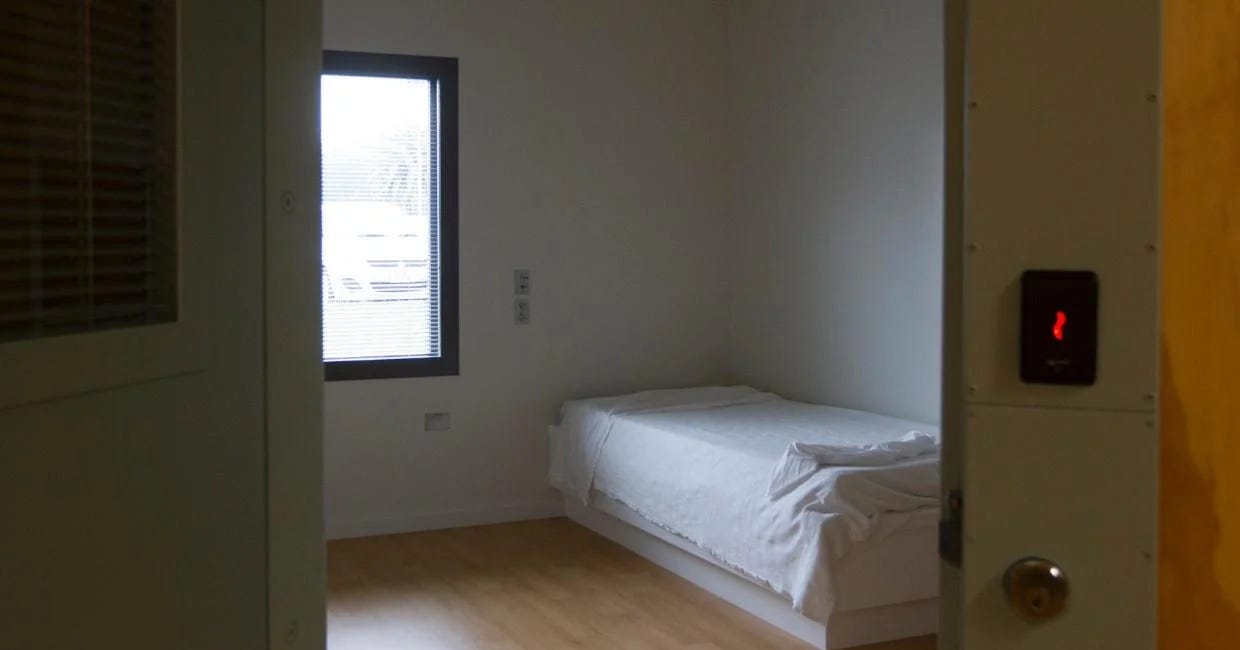
A Wellington-region nurse with more than a decade of experience in New Zealand’s forensic and mental health services says she is being punished for expressing her personal views online. The nurse, who has asked not to be named, faces three charges of professional misconduct brought by the Nursing Council of New Zealand. She says the charges stem from her social media posts on topics ranging from COVID-19 policy to gender identity and government influence in health.
Read full story
She is employed by Te Whatu Ora and, after decades of practice without complaint or disciplinary history, is now defending charges before the Nursing Council’s Professional Conduct Committee relating to her personal online expression. Whatever one thinks of her views, the underlying principle matters. Professionals do not surrender their right to hold personal opinions simply because they are employed in the public health system.
In December 2025 she made a lawful and entirely reasonable request for a copy of her HR file. The Privacy Act 2020 provides individuals with access to their personal information, including information held by their employer. Instead of being provided with a full electronic copy, she was told she could view the file and request certain documents, but not all. No clear explanation was given for refusing the request in the form sought.
After following up with HR to arrange access, she received an anonymous card at her private home referencing HR inquiries and telling her to “stop immediately”. The tone was menacing. The implication was obvious. Information about her HR request, and possibly internal discussions, appeared to have travelled beyond where it should have. At best, this reflects a serious failure of confidentiality. At worst, it suggests the possibility of disclosure that enabled intimidation.
Employers owe duties under the Privacy Act 2020, the Employment Relations Act 2000 and the Health and Safety at Work Act 2015. Those duties include acting in good faith, protecting personal information and safeguarding employees from psychological harm connected to their employment. If an employee cannot exercise a lawful right to access her own information without fear of retaliation, those obligations are not being upheld.
This is why the Free Speech Union deserves credit. They have formally demanded the immediate provision of her complete HR file, an independent investigation into how the request was handled and who had access to the relevant information, clarity around access to her home address, and a formal written apology acknowledging the seriousness of the incident. That is not grandstanding. It is accountability.
This case extends well beyond one nurse. It sends a message to every employee within the public system about what may happen if they assert their rights or express views that sit outside prevailing orthodoxy. You do not have to agree with her opinions to defend her rights. In fact, the strength of free speech protections is measured precisely when they protect those whose views are unpopular.
Civil society organisations exist to step in when power imbalances become apparent and individuals are left exposed. In this instance, the Free Speech Union has done exactly what it was formed to do. Transparency, due process and respect for lawful rights should not depend on whether an employee’s views are fashionable. They should be guaranteed to everyone.
Matua Kahurangi is just a bloke sharing thoughts on New Zealand and the world beyond. No fluff, just honest takes. He blogs on https://matuakahurangi.com/ where this article was sourced.


7 comments:
"It's dangerous to be right when the government is wrong."– Voltaire
The essential problem here is a conflict between the obligations of professionals towards their [State] employer and the rights of professionals as citizens of a democracy to dissent. I dealt with this issue in an article focusing on teachers a few years ago:
"Depriving teachers of their democratic rights as citizens," NZCPR 28 May 2017.
Both the US and UK Supreme Courts have held that it is a violation of human rights to force someone to promote a political cause that they do not wish to promote.
Human rights are being trodden on here by the marxofascist clique running the show. Time to put a stop to it.
Interesting take, Matua. Free speech is something that affects all of us. Did you know that your post is getting reposted on a blog site that engages in censorship of opinion?
STASI techniques to subdue its citizens.
It has greater reach than just employment as sports clubs now have the powers after a public or member complaint to ostracise or remove members from a club for a term of punishment or from the specific sport throughout NZ forever. All NZBORA rights are overruled and it is even for minor disputes that are deemed to bring the sport into disrepute. ie speech.
“SIMPLY FOR EXPRESSING HER VIEWS ONLINE” maybe be glossing over a key aspect here fella. If my mechanic posted online that he didn’t believe in combustion, I don’t think he should keep his job as a mechanic. That’s not a free speech issue, it’s a you’re not qualified to do your job issue.
The new The Code of Conduct for the Public Sector comes into force on 30 March 2026.See:
https://www.publicservice.govt.nz/guidance/the-code-of-conduct-for-the-public-sector
It says:
"Being politically neutral at work doesn’t generally stop us from being politically active outside of work in our own time. But when we’re being politically active outside of work, we must not represent or give the impression that we represent our organisation or disclose or use confidential government information. Sometimes there may be circumstances where it’s difficult to reconcile your personal political interests with performing your Public Sector role."
ALSO:
"If we are members of a profession or have a statutory role that involves public advocacy, we need to fulfil our professional obligations or statutory role while staying politically neutral. We have the same rights to political activity as other public servants while also having the same requirements to exercise those rights in a way that doesn’t affect our ability to do our work in a politically neutral way.
Professional codes of ethics or obligations – such as those for medical, accounting, social work and legal professions – apply alongside this Code. If there is inconsistency or conflict between our professional obligations and this Code, we need to raise it with our organisation.
Members of a profession may wish to comment publicly in a professional capacity on matters within their areas of expertise or experience including on work-related matters. When considering this we should:
1. be open and honest with our organisation, and consider any legal requirements that may apply
2. not enter into debate criticising or advocating for particular politicians or political parties
3. exercise care if commenting on Government or party-specific policies.
Our organisations should have policies and procedures that outline what members of a profession should do if they wish to make a public comment. If we are a spokesperson for a professional body, our comments should clearly be made on behalf of that professional body.
If our professional member or statutory role obligations are also legislative requirements, those will prevail over this Code, although any inconsistency should still be raised with our organisation."
David Lillis
Post a Comment
Thank you for joining the discussion. Breaking Views welcomes respectful contributions that enrich the debate. Please ensure your comments are not defamatory, derogatory or disruptive. We appreciate your cooperation.